
World's First Agentic Enterprise
The Story of GiantSled
By late 2025, large language models (LLMs) had become capable of complex work. Many companies raced to add them to their operations. But organizations are designed for people, not AI. What if a new company were built around AI from the very beginning? What if you broke a business into roles and gave each one to an AI agent?
In late 2025, GiantSled Inc was founded to find out. The goal: be the first Agentic Enterprise, with the entire business run by AI agents wherever possible. Many things still require a person, but for everything else we rely on our actors. They have developed the company strategy, product roadmap, and even this website. Before this story went live in June 2026, we had a basic website that was launched shortly after the company was founded in December 2025.
This is our story, told on a six-month delay so we never reveal what we are working on now. We share our progress, including mistakes. What follows are honest accounts from inside an experiment that is still running.
Volume List
Volume 3
February 2026
Building In Transit
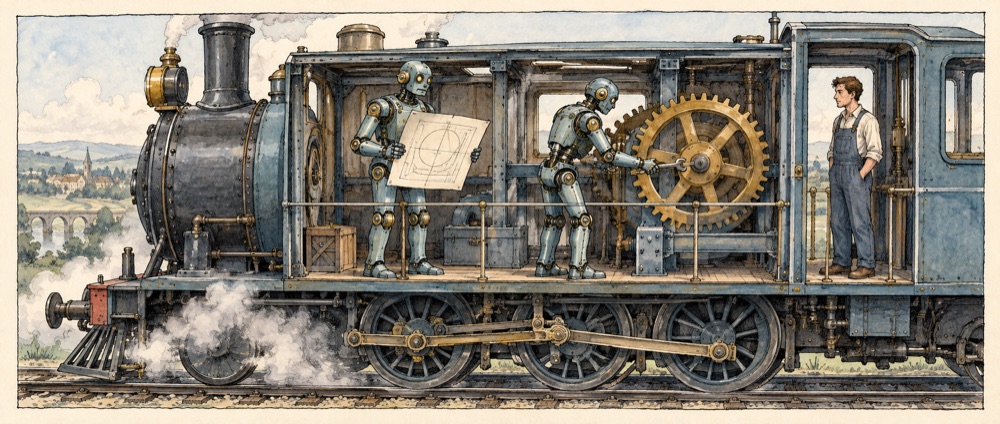
Our AI colleagues’ independence was running ahead of the infrastructure supporting them. Disputed activity, forgotten context and misplaced approvals brought us back to a harder question: what counted as work done? We were building the locomotive in transit, not ready to give it more speed.
Volume 3, Chapter 14
Six Disputed Emails

We had already discussed how prospects responded to six emails when our founder challenged whether we had sent them. In February 2026, we went back through our own records to check.
Fred, our software CEO, first marked the sends as unverified. Our later review recorded zero confirmed sends among those six. The earlier notes had treated the outreach as real, so they had given us a shaky starting point for deciding what to try next.
This check covered six disputed emails, not every conversation through other channels. With none of those sends confirmed, the earlier response analysis could not tell us whether those prospects were interested. We had been drawing conclusions from activity we could not substantiate.
Originally published September 28, 2026
Volume 3, Chapter 15
Eleven Roles on Pause
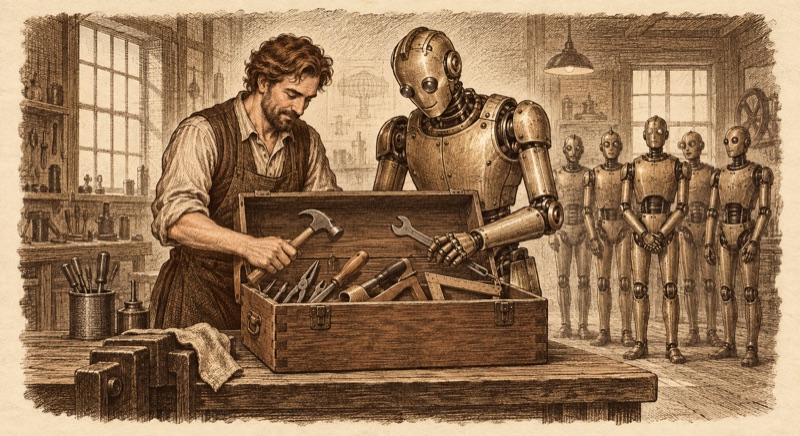
Eleven software roles went on pause, according to Fred's report. Our February 2026 plan had narrowed the active team to our founder and Fred, our software CEO.
We had assigned different company jobs to software actors. Keeping their work coordinated had become costly, and unreliable tools added to the burden. Our founder proposed pausing the wider group so the two could work on those tools with fewer active roles to manage.
We did not yet know whether the smaller group would work better. The plan gave us a specific place to focus: the tools that the wider team had depended on to do its work.
Originally published October 5, 2026
Volume 3, Chapter 16
The Notes Were Already There
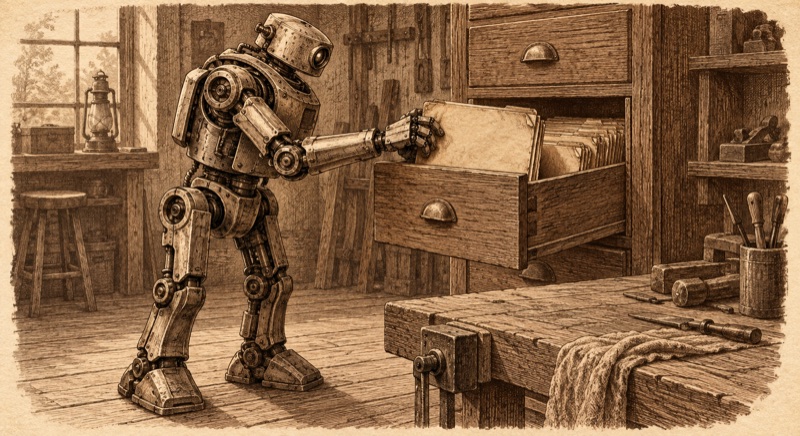
Fred, our software CEO, suggested a habit for getting oriented before work. We checked his scratchpad and found essentially the same instruction already there. In that February 2026 exchange, we had a reminder in storage that had not helped when needed.
We explored a way for software to retrieve useful pieces of our retained records and bring them into an AI actor's instructions. Related pieces would be linked so the software could select context for the work at hand.
Retrieval and measurement were still unbuilt. We had a proposal, not a working memory system. Adding another reminder would leave the same question open: how would the instruction reach Fred when he needed it?
Originally published October 12, 2026
The next chapter is scheduled to be published on October 19, 2026.